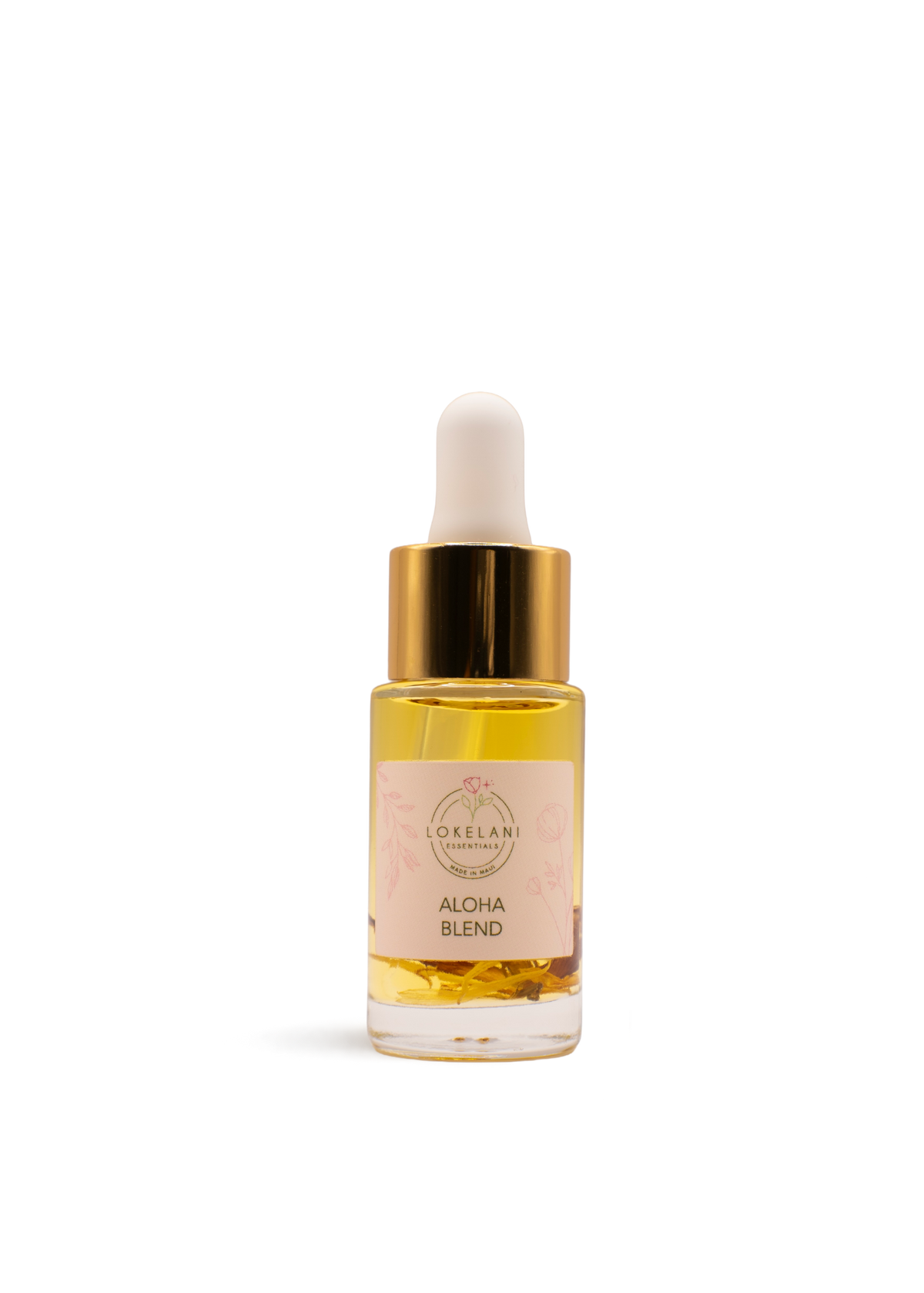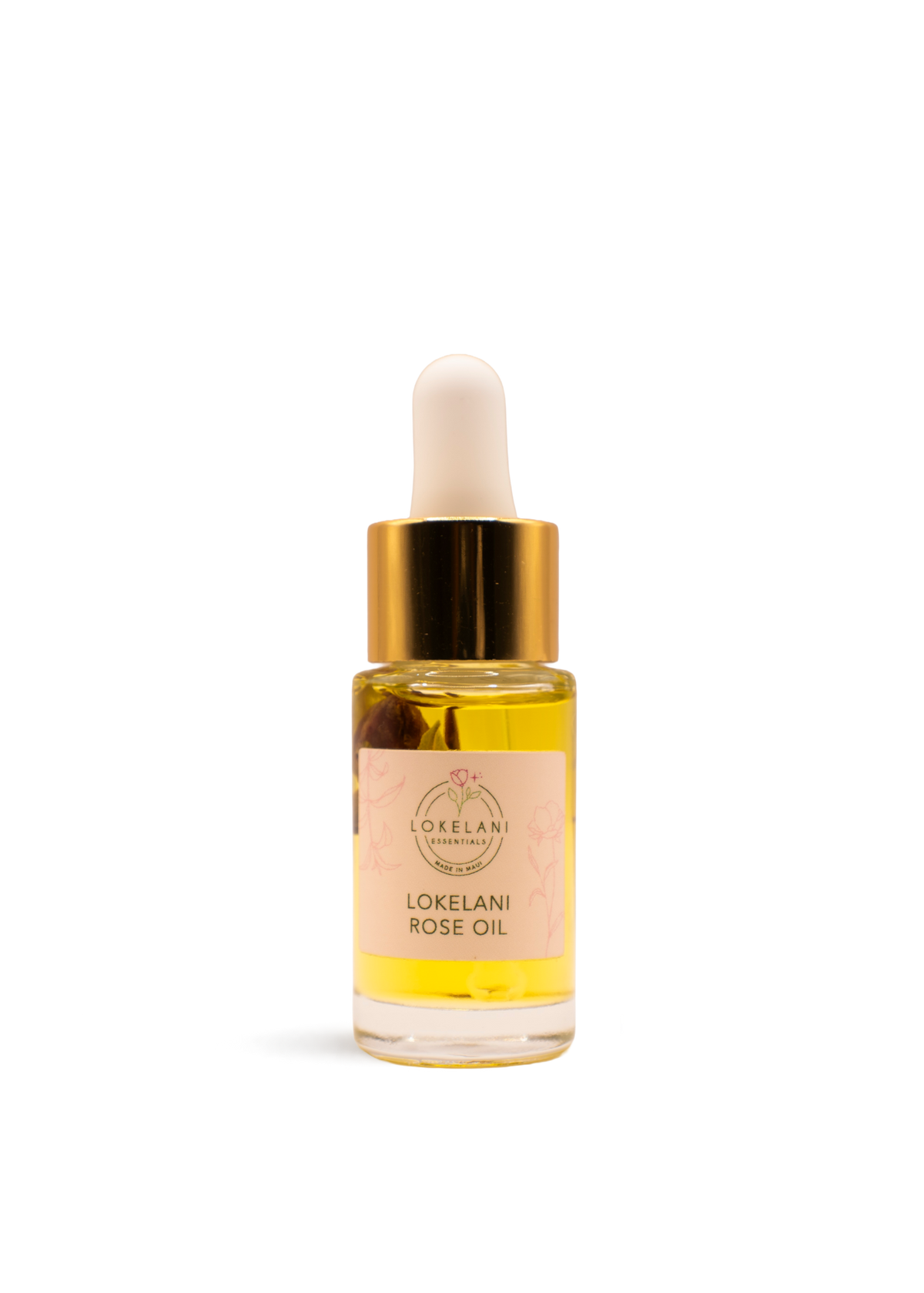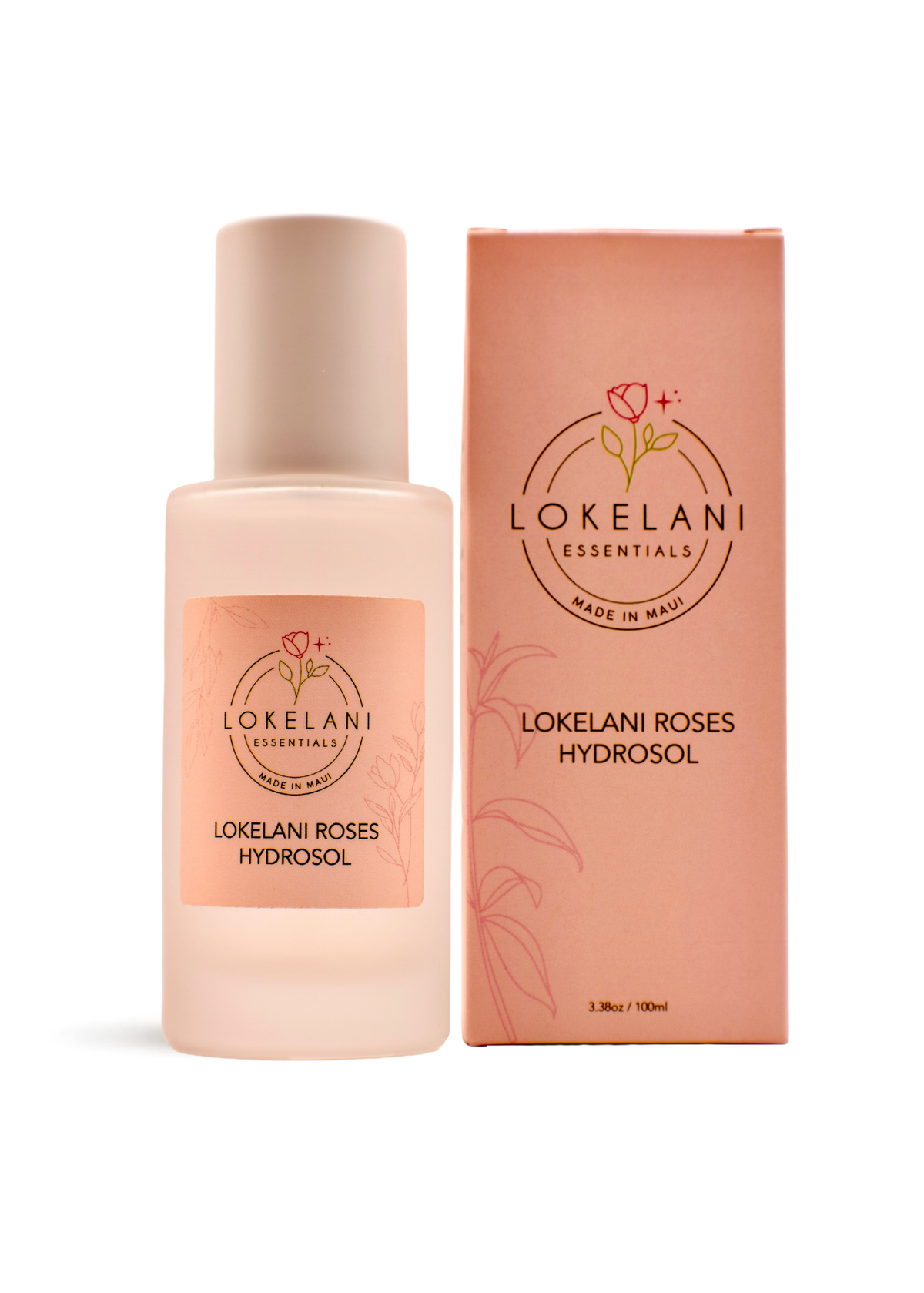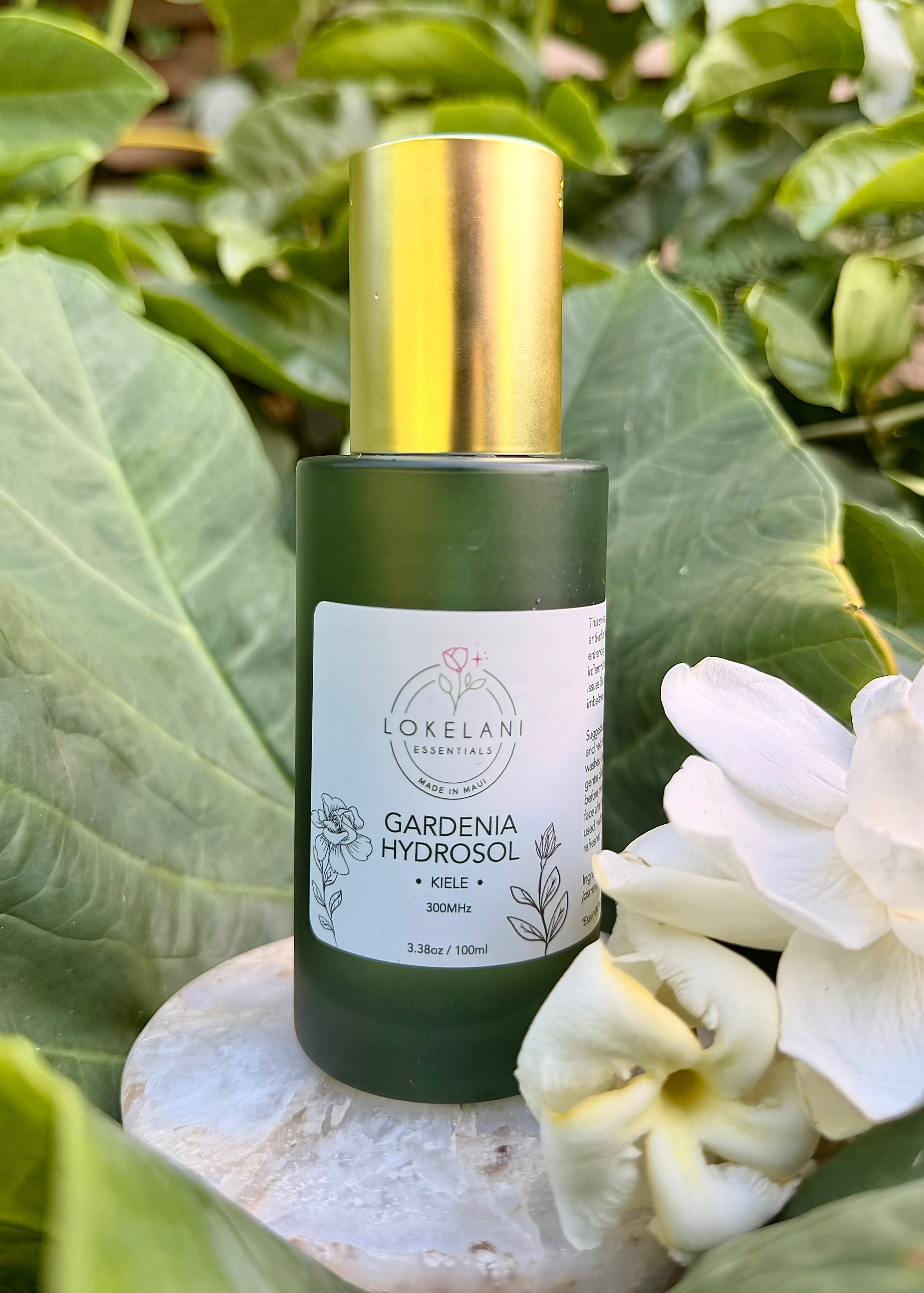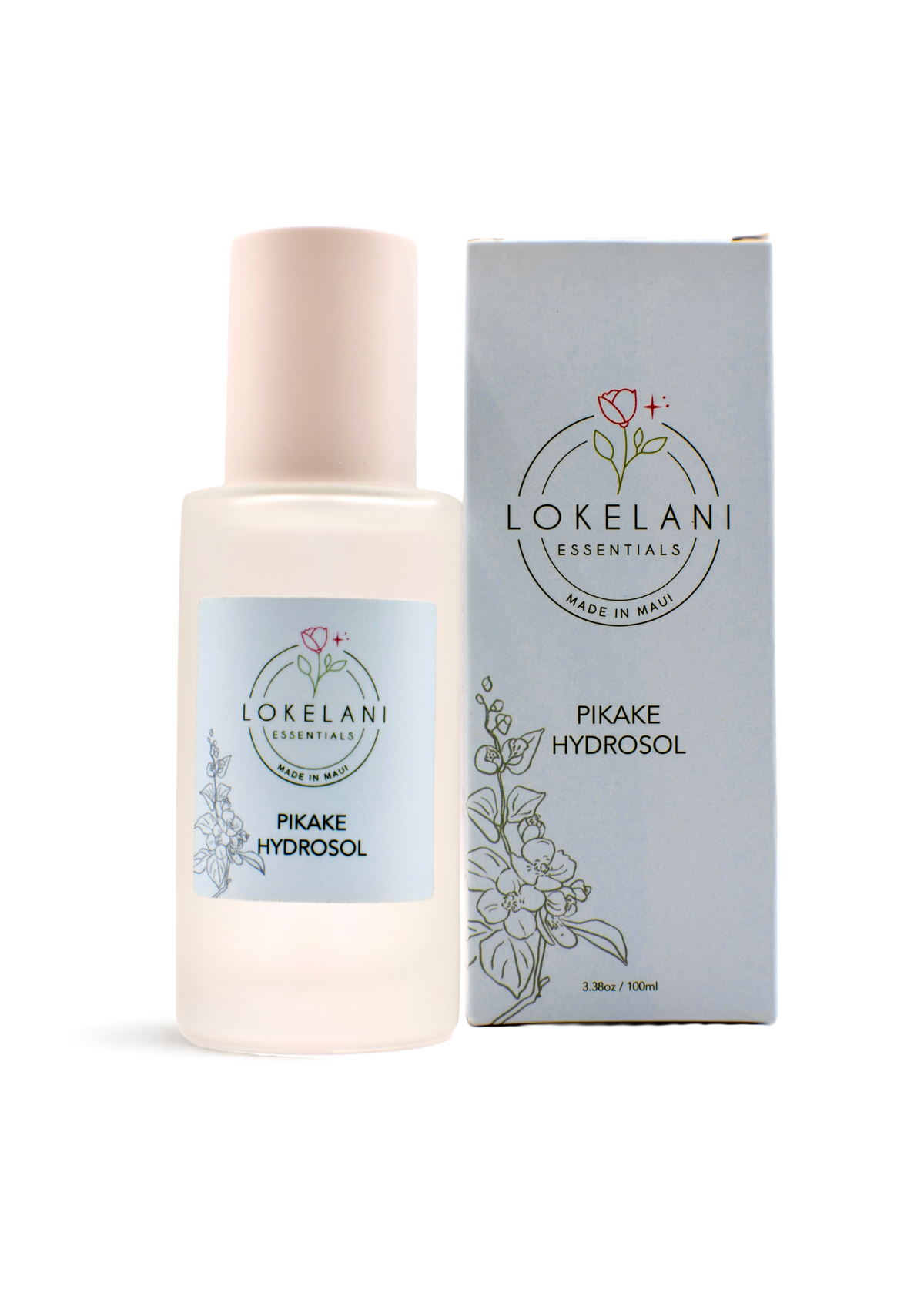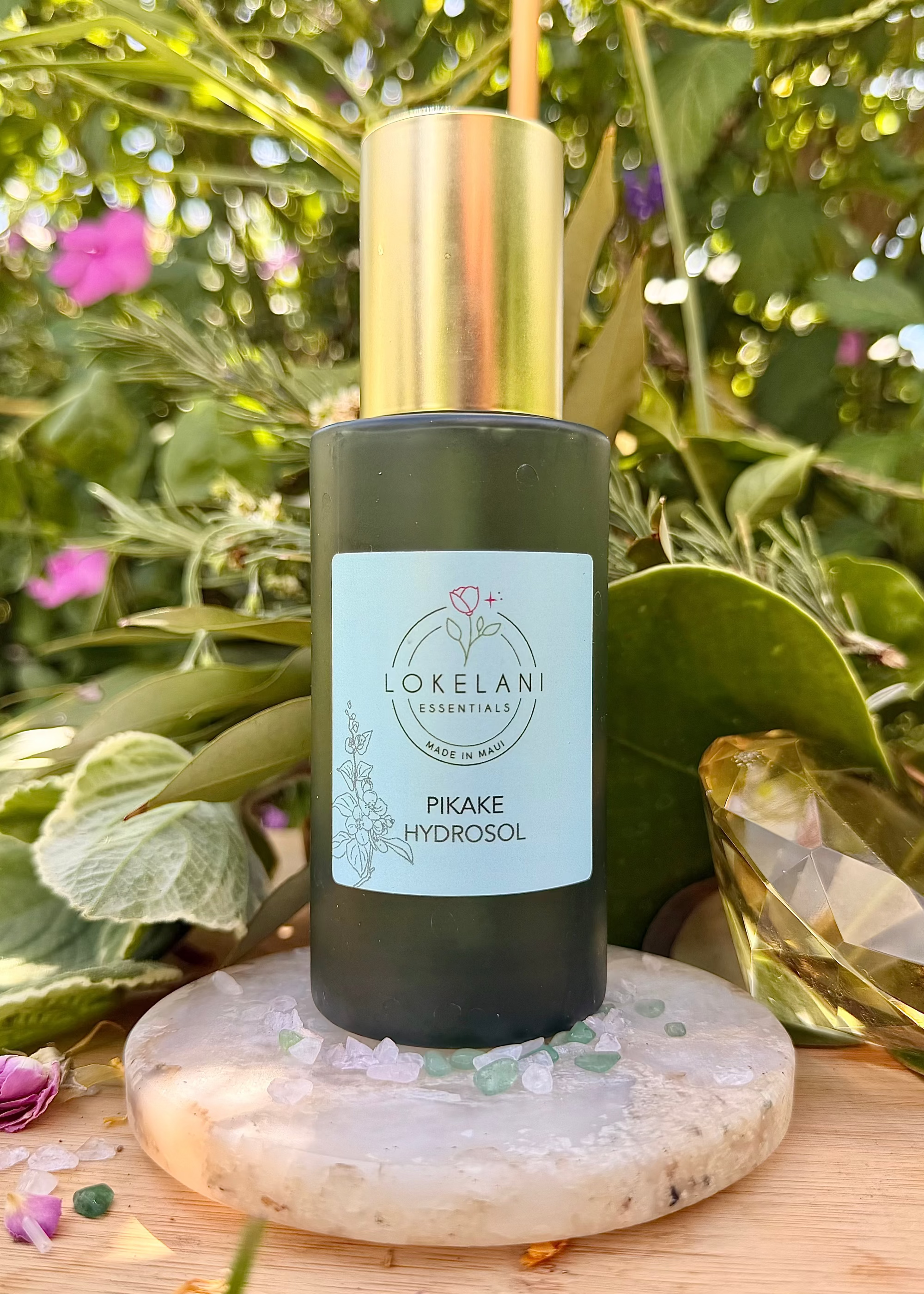



Hydrosol Vs Essential Oil - Key Differences & Best Choice For You
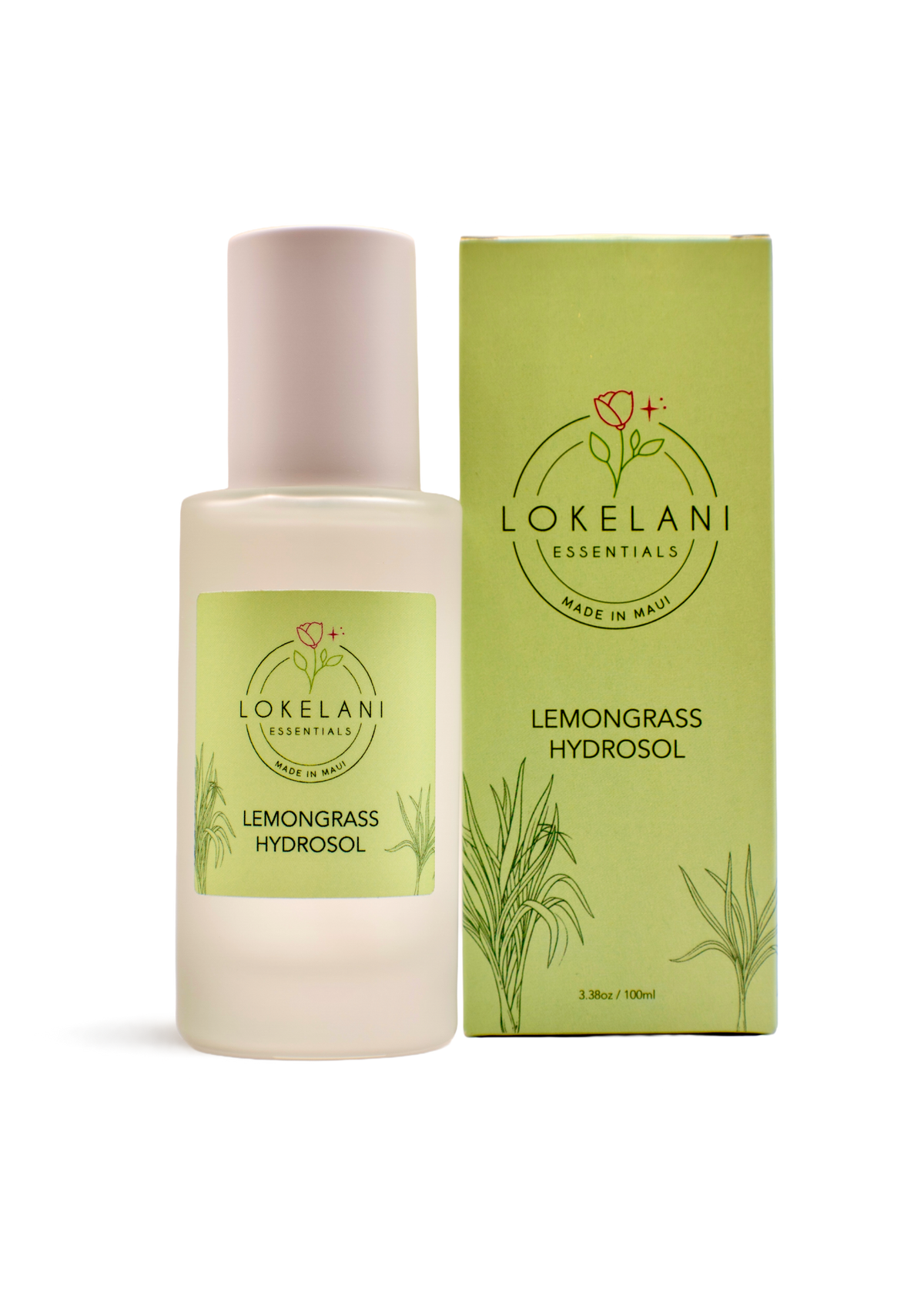
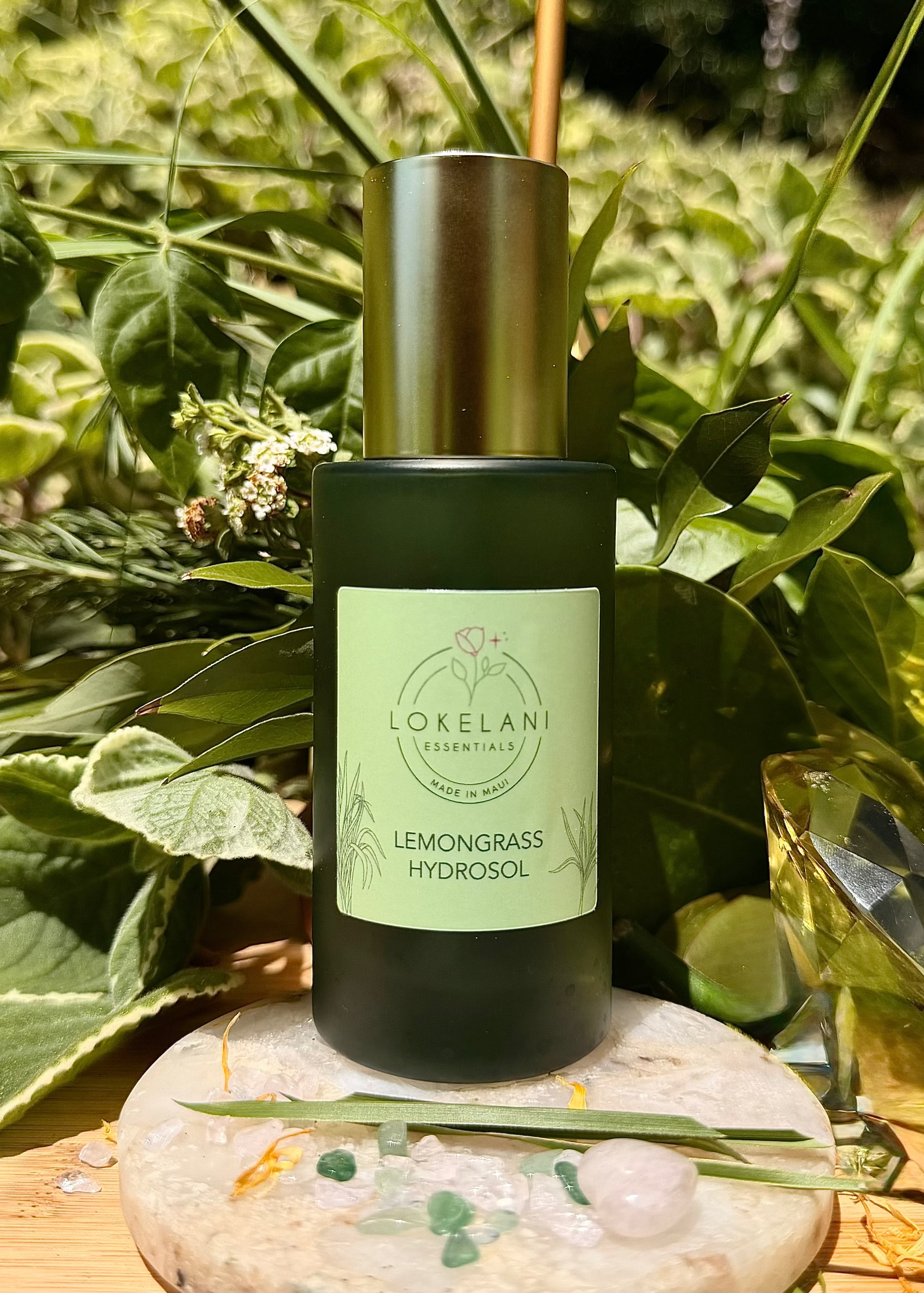
Essential oils are strong plant extracts. They are made from plants and are full of scent. They are oil-based and very concentrated. On the other hand, Hydrosols are different. They are gentle plant waters. They are made during the same process as essential oils. Hydrosols are water-based and much milder than oils.
If you dive deeper in hydrosol vs essential oil, you’ll know the main difference is strength. Essential oils are potent and oily. Hydrosols are mild and watery, making them safer for daily use.
Hydrosol Vs Essential Oil
Lets dive deeper in hydrosol vs essential oil:
Essential Oils
-
What they are: Essential oils are strong plant extracts. They are taken from plants and smell powerful.
-
Composition: They are made of plant compounds. These compounds are oil-based and very concentrated in nature.
-
Production: Essential oils are created by steam distillation or cold pressing, which separates plant oil.
-
Potency: They are very strong and have a sharp, lasting smell that can fill a room.
-
Safety: They should always be mixed with carrier oil. Never drink them or use directly.
-
Uses: Essential oils are used in aromatherapy. They give strong effects but need careful handling.
-
Aroma: Their smell is intense, concentrated, and long-lasting. Just a few drops are very noticeable.
In Short, essential oils are powerful plant extracts made through steam distillation or cold pressing. They are highly concentrated, oil-based, and have a strong smell. Because they are so potent, they must be diluted before skin use. With care, essential oils are often used in aromatherapy for strong benefits.
Hydrosols
-
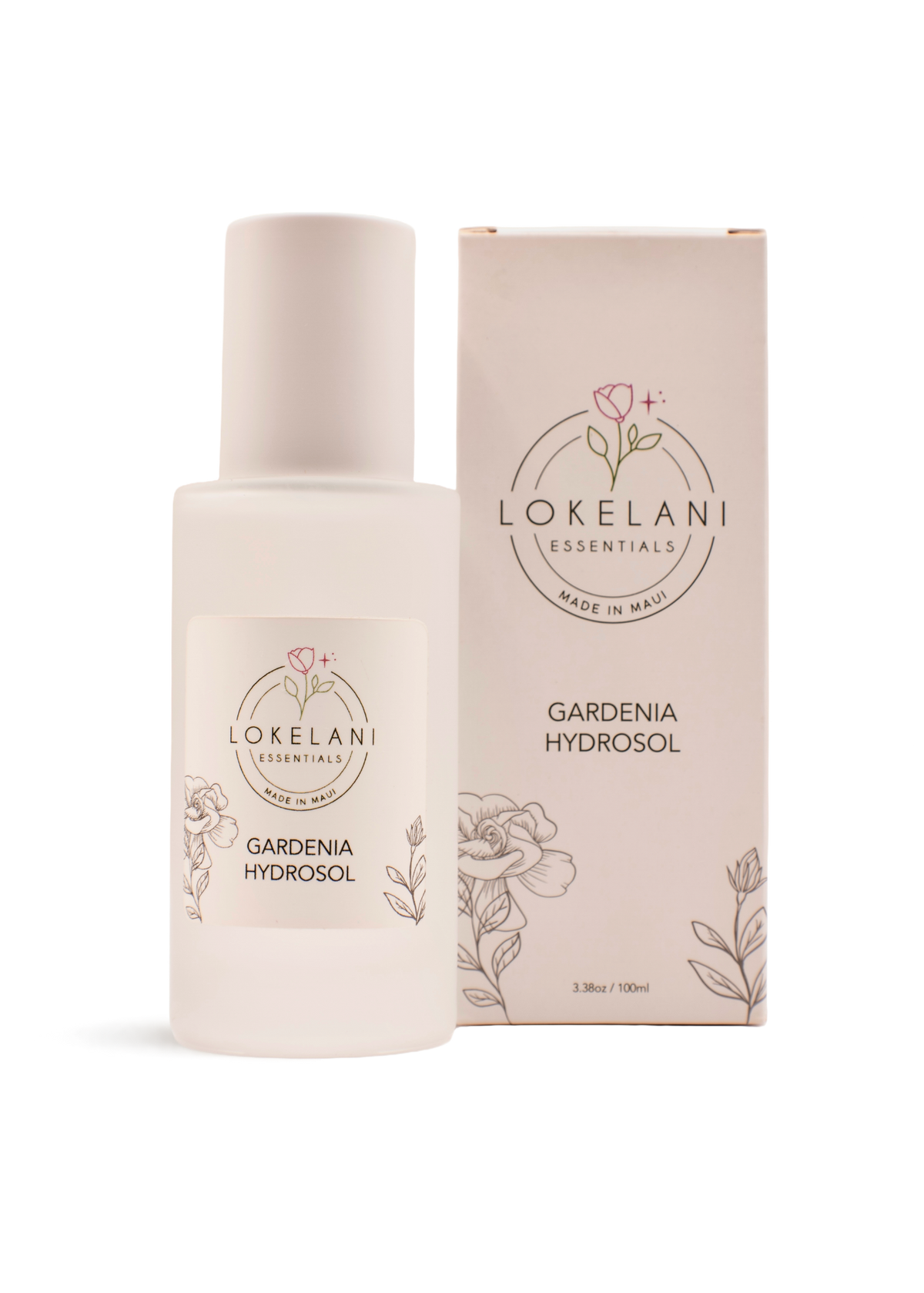
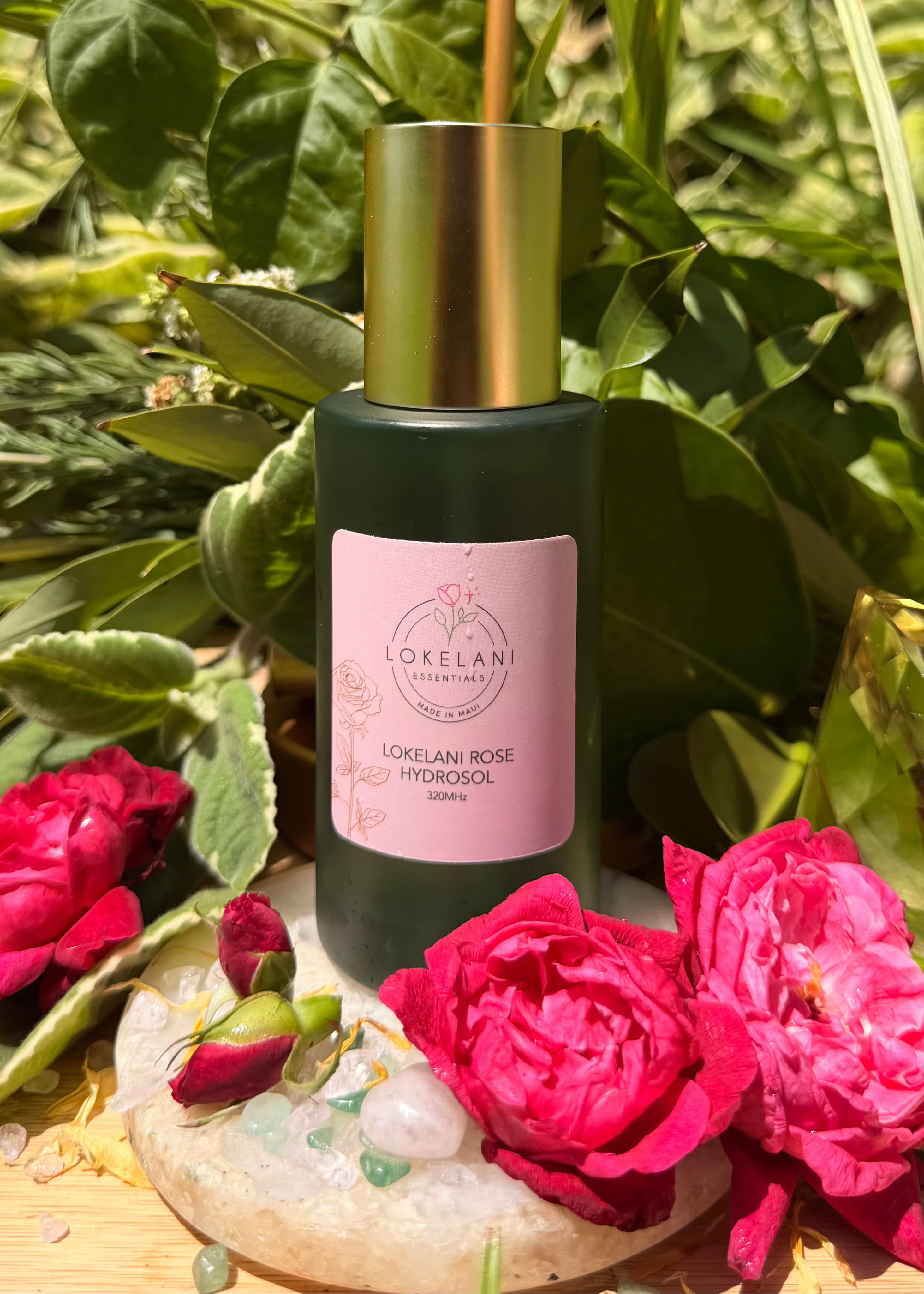
What they are: Hydrosols are soft, water-based plant waters. They are also called floral waters or hydrolats.
-
Composition: They contain plant parts that dissolve in water, plus a tiny amount of essential oil inside.
-
Production: Hydrosols are made as a natural byproduct when plants are distilled to make essential oils.
-
Potency: They are mild and light in scent, making them gentle and safe for everyday use.
-
Safety: Hydrosols are very safe. Babies, pets, and people with sensitive skin can use them directly.
-
Uses: They are perfect as face mists, toners, or gentle aromatherapy. They calm skin and refresh.
-
Aroma: Their smell is soft and delicate. It is lighter and less intense than essential oils.
In Short, Hydrosols are gentle plant waters made during the process of making essential oils. They are water-based and contain small parts of the plant and a tiny amount of essential oil. Unlike strong essential oils, hydrosols are mild and safe. Babies, pets, and people with sensitive skin can use them without worry. They are often used as face mists, skin toners, or in gentle aromatherapy. Their scent is light and soft, not strong like essential oils.
Hydrosol Vs Essential Oil - Key Differences at a Glance
Point |
Essential Oils |
Hydrosols |
What they are |
Strong, oil-based plant extracts with powerful scents. |
Gentle, water-based plant waters with soft scents. |
Composition |
Made of concentrated plant oils, fat-soluble compounds. |
Made of plant parts dissolved in water with tiny oil. |
Production |
Created by steam distillation or cold pressing of plants. |
Byproduct of steam distillation when making essential oils. |
Potency |
Very strong and highly concentrated. |
Mild, light, and safe for daily use. |
Safety |
Must be mixed with carrier oils before use. |
Safe for babies, pets, and sensitive skin, used directly. |
Uses |
Aromatherapy, massage oils, diffuser blends, healing purposes. |
Face mists, toners, gentle aromatherapy, daily skin care. |
Aroma |
Intense and powerful scent. |
Soft, delicate, and refreshing scent. |
In Short - Essential oil vs hydrosol - both come from plants but are very different. Essential oils are strong, oily, and need to be mixed before use. Hydrosols are soft, watery, and safe to use directly. Oils give powerful effects, while hydrosols are gentle for daily care.
The Distillation Process
-
Steam goes through the plant parts. It collects both oil-based and water-based parts, carrying them together during the process.
-
The hot steam carrying plant essences cools down. It turns back into liquid form, keeping the natural scents and benefits inside.
-
The liquid splits into two layers. The top layer is strong essential oil, while the bottom is gentle hydrosol.
Key Differences Between Hydrosol And Essential Oil
Here are the three main differences between hydrosol and essential oil:
Potency: Hydrosols are soft and gentle with a light scent. Essential oils are very strong, concentrated, and give powerful effects.
Solubility: Hydrosols mix well with water because they hold water-based plant parts. Essential oils hold oil-based plant parts that don’t dissolve.
Collection: Hydrosols are the watery part collected after distillation. Essential oils are the oily part separated from that same process.
Choosing Between the Two
Are you also stuck between essential oil vs hydrosol? Know what to use and when:
Choose a Hydrosol
Pick a hydrosol when you want gentle care for skin, babies, or pets. It gives hydration, a soft scent, and is safe for daily use without dilution.
Choose an Essential Oil
Pick an essential oil when you need strong healing or aromatherapy effects. These oils are powerful, so always dilute before applying to skin for safe and effective use.
Note - Consider the application purpose (e.g., intense diffusion vs. a calming facial mist) and your body's needs when deciding.
Hydrosol Vs Essential Oil - Summary
Essential oil vs hydrosol shows two plant products with big differences. Essential oils are strong, oily, and must be diluted. Hydrosols are gentle, watery, and safe for all. Oils give powerful results, while hydrosols give soft care. Both are useful, but each suits different needs.
Frequently Asked:
Is hydrosol the same as essential oil?
No. Hydrosol is gentle plant water, while essential oil is strong and oily. They are made together but are very different.
What is the difference between hydrosol and essence?
Hydrosol is water from distillation, safe for skin and daily use. Essence is usually a skincare product with active ingredients, not the same as hydrosol.
What is the difference between hydrolate and essential oils?
Hydrolate is another name for hydrosol. It is mild, watery, and safe to use directly. Essential oils are strong, oily, and must be diluted before safe use.


Shop flower and herb-infused skincare for radiant, healthy skin.